
When people say “branding” to me, half the time they mean a logo. The other half they mean something so vague it can’t be priced or executed against. Both versions cost small businesses money in the wrong places.
The way I think about branding for a small business, after a decade of building them, is simpler than the design-school version and more useful than the entrepreneurship-blog version. Your brand isn’t your logo and it isn’t a feeling. It’s a set of five decisions, made on purpose or by accident, that show up in every customer encounter. The businesses I see win the brand fight are the ones that made those decisions on purpose.
Here’s the version with the dollar amounts and the priority order.
First, your brand is not your logo
Marty Neumeier has a line I borrow constantly: “A brand is a person’s gut feeling about a product, service, or company.” That’s the academic version. The version you can use at 9pm before a client meeting is: your brand is what someone remembers about you when you’re not in the room.
Your logo is one input into that gut feeling. It’s important enough not to ignore, and not important enough to spend $15,000 on before you’ve nailed the other four inputs. The Marq (formerly Lucidpress) brand consistency study puts the revenue impact of consistent brand presentation at roughly 23 percent. Note the word consistent. Beauty matters less than consistency.
The five things your brand actually is
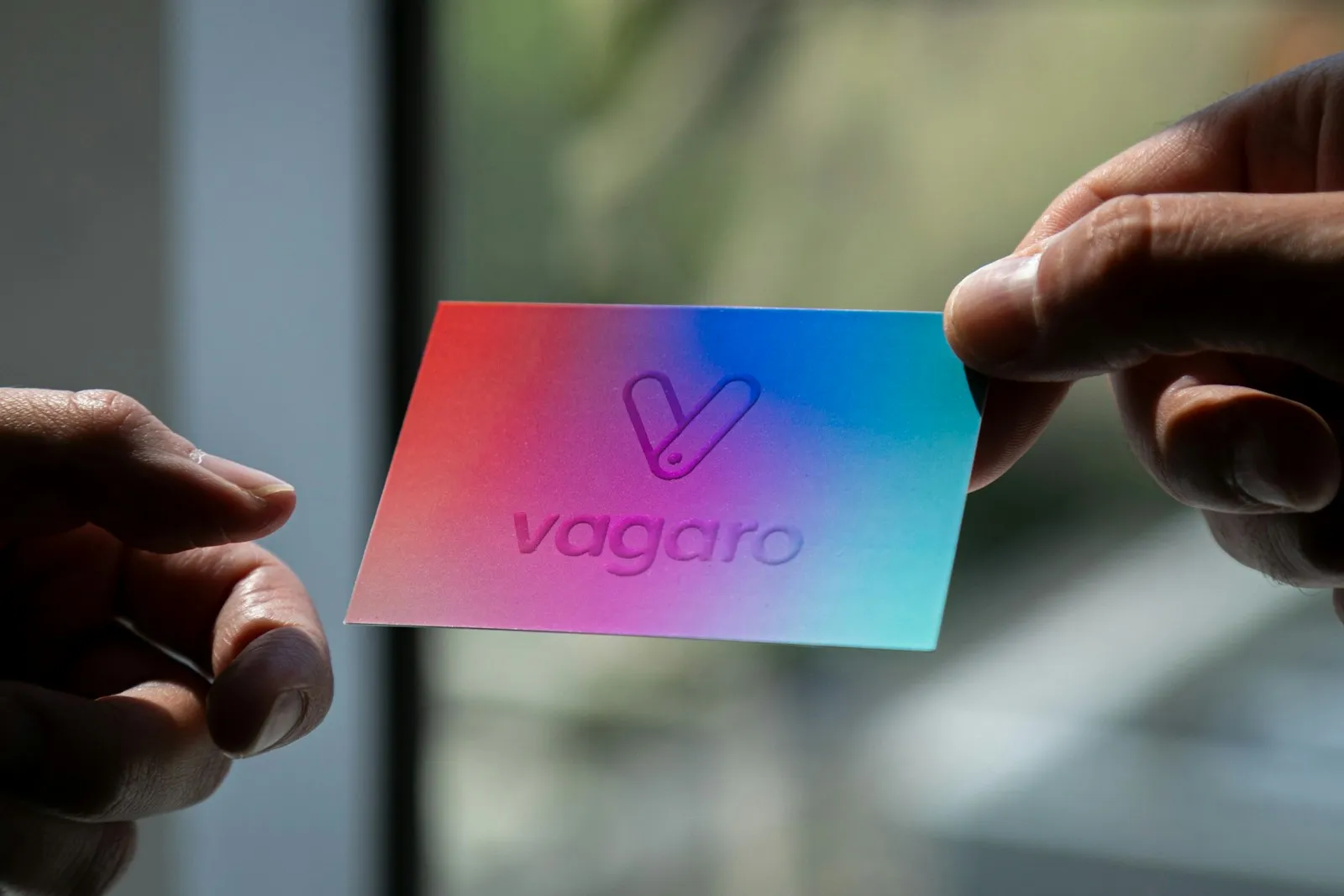
Whether you’ve defined them or not, every small business has these five. The difference between deliberate brands and accidental ones is whether the owner can articulate each one in a sentence.
1. Positioning (what you’re for and, more importantly, what you’re not)
This is the single highest-leverage decision in branding and the one most small businesses skip. Positioning is the answer to “why would someone pick us over the obvious alternative?” The answer cannot be “because we care” or “because we’re the best” because every competitor says the same.
The version that works for a small business is narrow: “We do residential window cleaning for homes built before 1950 in the historic district” beats “We’re the best window cleaners in Denver.” Specificity is the moat. You can charge more, you attract better-fit customers, you waste less marketing budget on people who weren’t going to hire you.
Most small businesses are afraid to position narrowly because they think it’ll shrink their addressable market. It does, but it also drastically increases their close rate. Net revenue usually goes up.
2. Voice (how you sound in writing and in person)
Voice is the personality that shows up in your emails, your website copy, your reviews replies, your in-person interactions. Most SMBs have inconsistent voice (formal on the website, casual on social, awkward on the phone) and never realize it costs them.
Pick three adjectives that describe how you want to sound (“direct, dry, warm,” or “playful, technical, plainspoken”) and apply them across every customer touchpoint. The website article goes deeper on consistent voice on the site itself.
3. Visual identity (logo, colors, typography, photography style)
This is the part most owners mean when they say “branding.” It matters, but it’s third in priority for a reason. A working visual identity for a small business needs:
- A logo in vector format that reads at 32px and 320px
- A primary color and 1-2 accents (with hex codes documented)
- A primary typeface for headlines and one for body text
- A photography style guide (or at least a folder of approved photos)
- A simple brand-mark application across 3 key surfaces (website, signage, business cards or invoices)
Realistic spend for a working SMB visual identity in 2026: $2,500 to $8,000 for a small studio, $5,000 to $25,000 for a boutique agency. Above that you’re paying for process and presentation, which is fine if you can afford it and not a deal-breaker if you can’t.
4. Customer experience (the feel of doing business with you)
The least-discussed and second-most-important brand input after positioning. How quickly you answer the phone, how your invoices look, how the parking works, what happens when something goes wrong. Every small business has a customer experience whether they designed one or not.
Concrete CX investments that show up as brand strength: under-24-hour reply time on inquiries, a clean intake or estimate process, written summaries after meetings or jobs, a way customers leave a review without searching for the link. The Google reviews process article covers the review collection mechanic specifically.
5. Distribution (where your brand shows up)
A brand nobody sees is a journal entry. Distribution is the part of branding that decides whether the brand compounds or sits dormant. For a small business in 2026, the distribution surfaces that matter are:
- Your Google Business Profile and local search presence
- Your website (the only marketing asset you fully own)
- Customer reviews and social proof
- In-person and physical signage (still real)
- Email list, where applicable
- Owned social where it earns its keep, not because it’s expected
How to spend your first $5,000 to $10,000 of branding budget
Ranked order, the way I’d spend it for a real small business client.
- Positioning workshop or sprint. One to three days of focused work to write down who you serve, what you do, and what makes you the right pick. $500 to $2,500 if outsourced; free if you have the time to do it yourself with a real framework.
- Working logo + color + type system. Not award-winning, just consistent and ownable. $1,500 to $5,000 with a small studio.
- Website that reflects the positioning and identity. $2,500 to $8,000 for a small business site, per the website cost article. This is where most of the brand actually lives.
- Photography or imagery upgrade. $500 to $2,500 for a local photographer to shoot your team, space, or products. Stock photos are the biggest tell of an under-invested brand.
- Brand application across 3 to 5 key surfaces. Business cards, invoices, vehicle wrap, signage, email templates. $500 to $2,000.
Total: roughly $5,500 to $20,000 for a small business brand that holds up. Below the floor you’ll get something but it’ll feel incomplete. Above the ceiling you’re paying for taste tier, which is real but not the first thing you need.
Common branding mistakes that look like progress
Three patterns I see most often in SMB brand audits.
Logo-first thinking. Spending $5,000 on a logo before you’ve decided who you serve and what you stand for. The logo can be perfect and the brand still won’t work because there’s no idea underneath it.
Borrowed identity. Copying the visual style of a brand you admire that operates in a different category. Apple-clean design for a roofing company reads sterile. Pick references from inside your category, not above it.
Brand without backbone. A beautiful identity with no opinion. Pleasant beige messaging that could apply to any business in your industry. Brand is the place to have an opinion; if you don’t have one yet, find one before you spend the design money.
When to rebrand vs. when to refine
If your customers still describe you with the same words you’d describe yourself, you’re refining. If they describe you with different words, you’re rebranding.
Most small businesses don’t need a rebrand; they need a refinement and better distribution of what they already have. Real rebrands are warranted when: ownership changes, product or service changes substantially, the original brand attracts the wrong customer profile, or the visual identity has drifted so far from current taste that it actively hurts trust.
FAQ
How much does branding cost for a small business?
A working SMB brand (positioning, identity system, website, photography, basic application) lands between $5,500 and $20,000 in 2026 for most US small businesses. Lower if you DIY positioning and use a small studio for design; higher if you go boutique agency. Below $5,000 you’ll get fragments, not a system. Above $25,000 you’re paying for taste and process tier, which is real but not the first investment for most owners.
What’s the difference between a logo and branding?
A logo is a visual mark; a brand is the gut feeling someone has about your business. Your brand includes positioning, voice, visual identity (which includes the logo), customer experience, and distribution. A logo is one of five inputs into the brand. Investing only in a logo and skipping the other four is the most common branding mistake I see in small businesses.
Can a small business build a brand without an agency?
Yes, but it takes longer and the result is less consistent. The DIY path: write a one-page brand brief covering positioning, voice, three visual references, and the surfaces where the brand needs to show up. Then use Canva or hire individual freelancers per asset. Expect to spend 40 to 80 hours of owner time over 3 to 6 months. Agency engagement compresses that into 4 to 12 weeks and adds consistency, at the cost of agency fees (see the agency pricing article).
How long does it take to build a brand for a small business?
Positioning is 2 to 4 weeks of focused work. Visual identity development runs 4 to 8 weeks with a studio, 8 to 16 weeks with an agency. Website build adds another 4 to 12 weeks. End-to-end, a deliberate SMB brand build is 12 to 24 weeks. The customer-experience and distribution layers compound over the following 12 to 24 months once the foundation is in place.
Should I rebrand if my business is growing?
Usually no. Growth is the worst time to rebrand because you risk confusing the customers who are working. The exception is when the existing brand actively repels the customer profile you’re trying to grow into. If your premium service is held back by a budget-tier brand, refining or rebranding can be the unlock. If growth is steady, refine; don’t restart.
Beefed Up runs brand building and web design for established small businesses across the US. Get in touch if you’re staring at your current brand wondering whether to rebuild or refine.


