
We get asked this every couple of weeks. Some version of, “do I actually need a website, or can I just run everything off Instagram?”
The honest answer is yes, you need one. But probably not for the reasons every other “why is a website important for a small business” article tells you.
It’s not about looking professional. It’s not because customers expect it. It’s not because Google demands it. Those are all true, sort of, and they all miss the point.
The real reason is simpler, and harder to argue with. A website is the only marketing asset you actually own.
The “I don’t need a website” pitch usually means something else
In my experience, when a business owner says they don’t need a website, they usually mean one of three things.
They’ve been getting work from Instagram or Facebook for a few years and it’s been fine. They’ve got a Google Business Profile that ranks for their town and the phone rings. Or somebody quoted them eight thousand dollars for a custom site and they decided to keep what they had: nothing.
All three of those are real positions. I get it. If the phone’s ringing, the temptation to leave well enough alone is enormous. Most of the businesses we work with at Beefed Up started exactly there.
The problem isn’t that the phone is ringing. The problem is where the phone calls are coming from, and how much control you have over that pipe.
You don’t own Instagram. You don’t own Google Business. You don’t own any of it.
Instagram and Meta can yank your account overnight
Instagram can suspend your account tomorrow. It’s happened to dozens of small businesses I personally know. Your access gets pulled, your DMs vanish, and the support process is automated and slow. If that account was your lead source, you’re done.
Facebook, Yelp, Google Business, TikTok: same dynamic
Facebook can change its algorithm next month and cut your organic reach in half. HubSpot’s marketing statistics roundup (retrieved May 2026) has tracked the steady decline in organic Page reach for years; the trend line is one direction. Yelp can bury your listing if you don’t pay them. Google Business Profile can suspend you for a “policy violation” the support team won’t explain. TikTok can ban your country’s access entirely under the Protecting Americans from Foreign Adversary Controlled Applications Act (retrieved May 2026). This is a real worry for thousands of US businesses right now.
The website is the one piece of digital infrastructure you actually own
Every one of those is a rented platform. You pay rent in time, content, ad spend, and attention. They can raise the rent, change the terms, or evict you. There’s no court of appeal.
A website is different. The domain is yours. The hosting is yours. The content is yours. The leads come to your inbox, your CRM, your phone. If a platform implodes, your website is still there. If your favorite ad channel doubles its cost per click, your organic search traffic is still there.
This is the whole argument. Everything else is gravy.
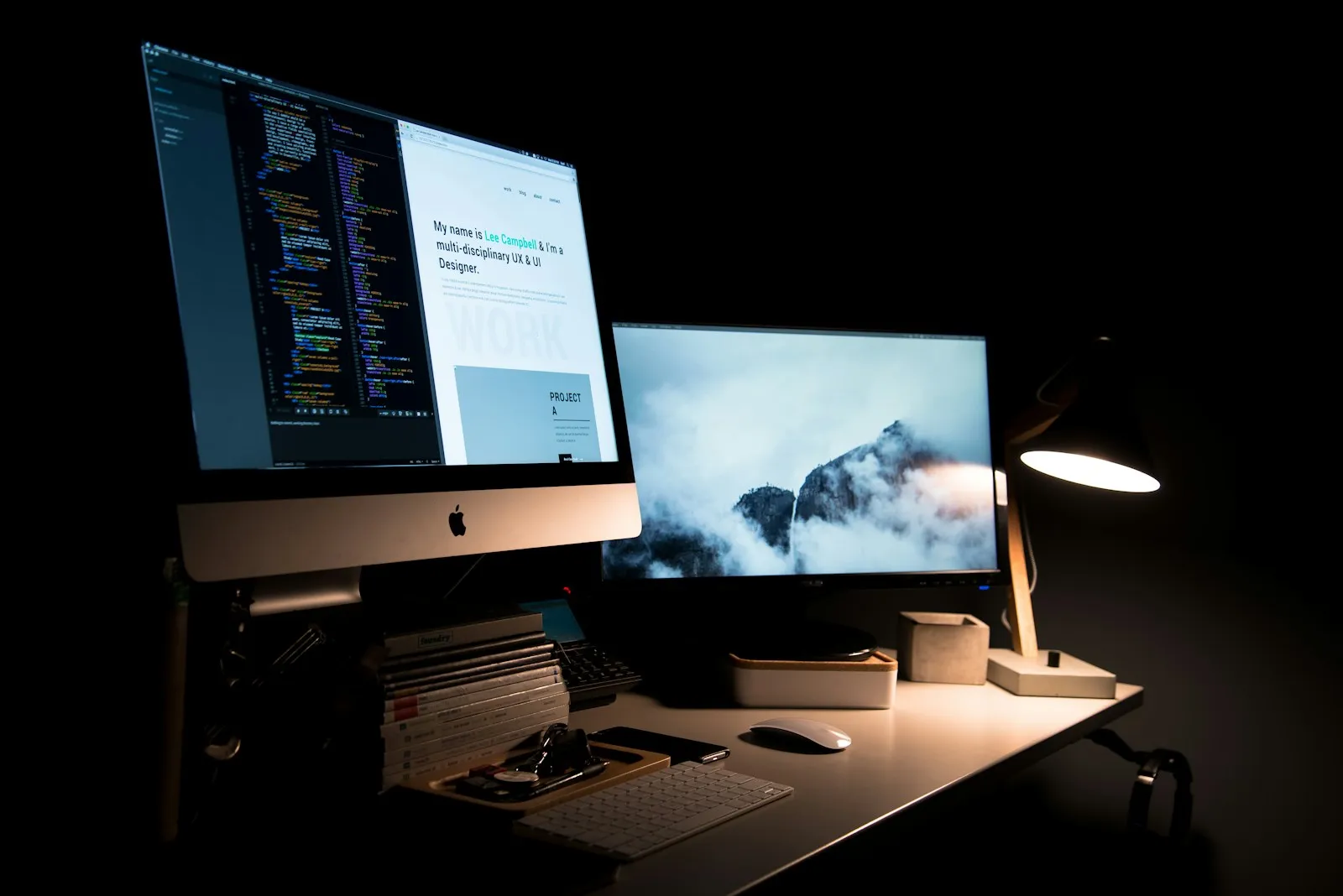
Why is a website important in digital marketing? It’s the hub.
Digital marketing isn’t a single channel. It’s a stack. Paid search, organic search, social, email, content, reviews. What I rarely hear other agencies say out loud is that all of those channels work better with a website behind them, and most of them barely work at all without one.
Google Ads run to a Facebook page convert about a third as well as Google Ads run to a real landing page. We’ve A/B tested this with our own clients. The numbers aren’t even close. Independent benchmark data points the same way: Unbounce’s Conversion Benchmark Report (retrieved May 2026) and HubSpot’s marketing statistics roundup (retrieved May 2026) consistently show dedicated landing pages outperforming generic destination URLs by a 2 to 3x margin across most categories.
Email marketing without a website to send people to is just a newsletter. Reviews without a website to host them on lose half their value. Organic search without a website is, well, impossible. The website is the hub. Every other channel spokes off it.
If you’ve ever wondered why your paid ads “aren’t working” while your competitor’s are, the website is the first place I’d check. I’d estimate that eighty percent of the time, the ads are fine. The landing experience is the problem.
What a small business website is actually for
Here’s what a good small business website is for, in order of how much it matters:
- Showing up in search when people look for what you sell. This means ranking for “[your service] near me,” “[your service] in [your town],” and the long-tail variants that turn into phone calls. No website, no ranking.
- Converting people who already heard about you. Someone hears about your business from a friend, types your name into Google, and decides in about ten seconds whether to call you or scroll past. Your website is that ten seconds.
- Running a funnel you control. Booking forms, quote requests, email signups, scheduling integrations. The infrastructure of a real business runs through the website.
- Being the source of truth. Hours, pricing, services, locations, FAQs. When somebody Googles you with a question, the answer should come from you.
- Looking like a real business. A polished website is a trust signal. A bad one is a trust signal in the wrong direction.
A lot of articles put “looking professional” at the top of this list. I put it at number five for a reason. It matters, but it’s a side effect of doing the first four well.
How important is a website for a small business? Here’s what it costs to not have one.
What we usually find when we audit a no-website business
When we onboard a new client, we measure what their current digital footprint is producing. A surprising number of them are running paid ads with no website (just a phone number in the ad). The cost per conversion is usually two to three times what it should be.
The four-symptom pattern
Here’s the pattern we see, almost every time:
- Lower close rate, because nobody can do their own research before the call. They show up cold, hostile, or unqualified.
- Higher cost per lead on every paid channel, because the algorithm has no landing data to optimize against.
- Zero organic traffic. The business doesn’t show up for any search except their exact brand name.
- Total dependency on one platform. The day Instagram changes its terms, the business is in crisis.
The cost is real, just hidden
The cost of not having a website isn’t zero. It’s just hidden inside the ad budget, the missed calls, and the platform risk you’re not measuring.
If you want to see what a healthy marketing stack actually costs for a real business at your stage, use our free marketing budget calculator. It builds a realistic monthly budget around your revenue and channel mix. There’s a longer explanation of the framework in our budget breakdown.
“But I get all my work from Instagram”
This is, in my opinion, the strongest argument against a website. I want to address it directly.
If you’re getting steady work from Instagram, congratulations. That’s hard to do, and it usually means you’re producing genuinely good content. Don’t stop.
But ask yourself two questions.
First: how much of that traffic is repeat customers versus new ones? If it’s mostly repeats and word of mouth, Instagram isn’t really the lead source. Your reputation is. Instagram is just where the conversation happens.
Second: what’s your plan if your account gets hacked on a Tuesday and Meta’s automated system locks you out for three weeks? Because that happens. It happens often. And it almost always happens to the businesses who built their whole pipeline on one platform.
A website doesn’t replace Instagram. It backs Instagram up. If your IG bio links to a real website with your booking system, your email list, and your portfolio, then the day the account goes dark, you’re inconvenienced. The day the account dies, you still have a business. That’s the trade.
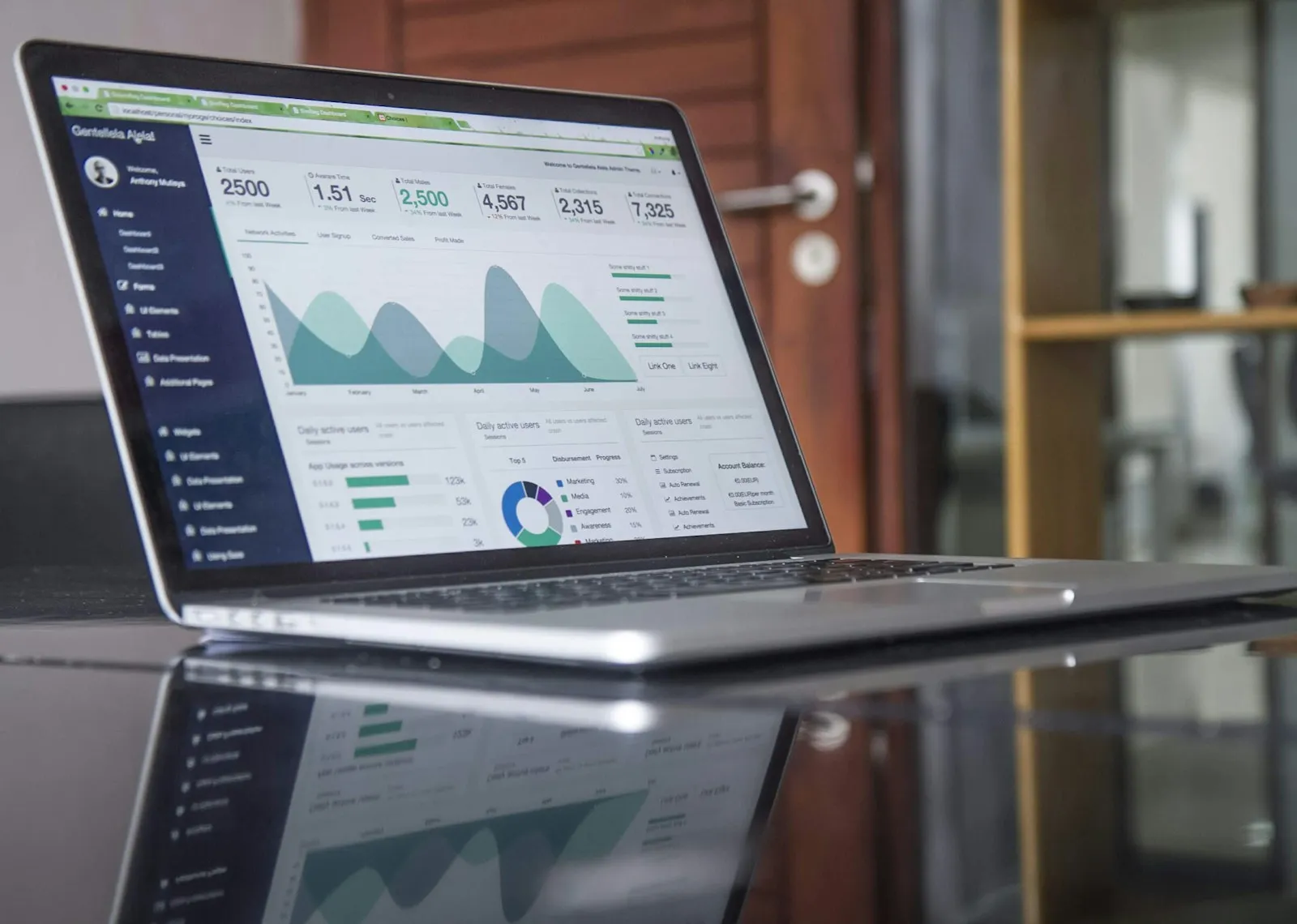
What a “good” small business website actually looks like
A good small business website is not a glamour project. It’s clear, fast, and focused.
In my book, the five things that matter most:
- Pages for each of your services or products, written with the language your customers actually search for. Not jargon. Not your industry terms. Their words.
- A clear, single primary call to action on every page. Call, book, request a quote. One ask. Not five.
- Loads in under three seconds on a phone. This is non-negotiable in 2026. Speed is a ranking factor (per Google’s Core Web Vitals documentation, retrieved May 2026) and a conversion factor: Google’s own mobile page-speed research has long pegged the bounce-probability jump at 32% as load time goes from 1 to 3 seconds, and 90% from 1 to 5 seconds. Unbounce’s Conversion Benchmark Report (retrieved May 2026) shows the same pattern from the landing-page side.
- Local SEO basics handled. Service area, NAP (name, address, phone) consistent everywhere, schema markup, Google Business Profile linked.
- Looks like you, not like a template. Photography, color, voice. If the visitor can’t tell within five seconds what kind of business you are, the design failed.
You don’t need a custom-coded React application. You don’t need a $40,000 brand build. You need a focused, well-built, fast, on-brand site that does the five things above without getting in its own way.
This is roughly what we build at Beefed Up. The whole web design service is structured around getting those five things right and skipping the cosmetic upsells that don’t move revenue. It sits under our broader branding work for businesses that need brand, voice, and site to feel like one decision.
So, is a website necessary?
Yes, but not because some 2014 blog post told you it was. Yes because every other marketing asset you have is rented from someone who can change the rules whenever they want.
This isn’t just our opinion. The U.S. Small Business Administration’s small business marketing and sales guidance (retrieved May 2026) walks through the same channel stack and consistently positions an owned digital presence (website, email list, customer data) as the foundation, with rented platforms layered on top.
The website is the only thing you own. Build it before you spend serious money on anything else, because everything else works better with it and most things barely work without it.
If you’re not sure where to start, talk to us. We do this every day. And if you just want a rough sense of what a healthy marketing budget should look like for a business your size before you commit to anything, that’s what our calculator is for.
The phone might be ringing now. The question is whether you’d rather have one ringer or five.
Beefed Up runs brand, web, and Google Ads for established small businesses across the US. If you’d like an honest look at whether your current marketing setup is producing what it should, get in touch.

